
Wood burning stoves are a popular choice for homeowners who want real flames, strong heat output and a traditional focal point. They can work beautifully in period properties, cottages, country homes, modern extensions and contemporary living spaces.
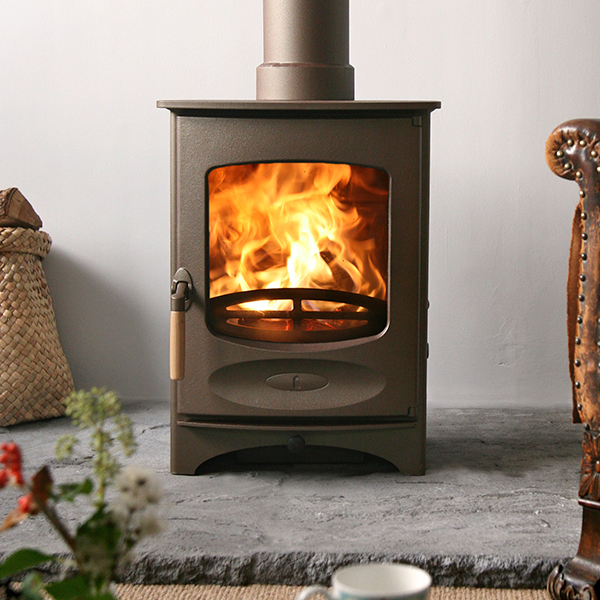
A wood burning stove can be installed into an existing fireplace opening, positioned within a chimney breast or used as a freestanding feature with a suitable flue system. The right stove will depend on the size of the room, the chimney or flue, the style of the property and the level of heat required.
Wood Burning Stove Options
Wood burning stoves are available in a wide range of styles, from classic cast iron designs to clean, modern steel appliances. Some are designed to sit neatly inside a fireplace recess, while others are made to stand freely on a hearth as a feature in their own right.
The best choice depends on how you want the stove to look and how it will be used. A traditional stove may suit an existing fireplace or period home, while a modern freestanding stove can work well in open-plan rooms, extensions and contemporary interiors.
Freestanding Wood Burning Stoves
Freestanding wood burning stoves are designed to stand independently on a suitable hearth. They can be placed in front of a chimney breast, within a fireplace opening or as a standalone feature with a twin wall flue system.
This type of stove is ideal if you want the appliance to become a visible part of the room design. Freestanding stoves are available in compact, medium and large sizes, with different heights, door styles, log stores and finishes available depending on the model.
Wood Burning Stoves for Fireplaces
A wood burning stove can often be installed into an existing fireplace opening. This is a popular option for homeowners who want to make better use of a traditional fireplace while improving heat output and usability.
Before choosing a stove for an existing fireplace, the opening size, chimney condition, hearth, chamber, flue and clearances need to be considered. In some cases, the fireplace may need to be altered, lined or finished with suitable non-combustible materials.
Wood Burning Stoves Without a Chimney
In some homes, a wood burning stove may be possible even without an existing chimney. This is usually achieved using a twin wall flue system, which runs from the stove to outside the property.
A twin wall flue can make wood burning stoves suitable for extensions, new build homes and rooms without a traditional chimney breast. The route, height, clearances and external appearance of the flue all need to be planned carefully.
Modern Wood Burning Stoves
Modern wood burning stoves offer a cleaner, more contemporary look while still providing real flames and strong heat. These stoves often feature larger glass doors, simple lines, pedestal bases, log stores or wall-mounted designs.
They are a good choice for modern interiors, open-plan spaces and homes where the stove needs to feel architectural rather than traditional.
Traditional Wood Burning Stoves
Traditional wood burning stoves are ideal for period homes, cottages and classic fireplace settings. They often feature cast iron styling, detailed doors, curved edges or a more heritage-inspired design.
These stoves work well in existing fireplaces and chimney breasts, especially when paired with a suitable hearth, chamber lining and fireplace surround.
Choosing the Right Wood Burning Stove
The right wood burning stove should suit the size of the room, the heat output required and the style of the property. A stove that is too large may make the room uncomfortably hot, while a stove that is too small may not provide the warmth needed.
Before choosing a stove, it is important to consider:
- Room size
- Heat output
- Existing chimney or flue options
- Hearth requirements
- Clearances to combustible materials
- Ventilation
- Fireplace opening size
- Style and finish
- Ease of use and maintenance
Do Wood Burning Stoves Need a Chimney?
A wood burning stove needs a suitable flue system, but this does not always have to be an existing chimney. If the property has a usable chimney, the stove may be connected to a flue liner. If there is no chimney, a twin wall flue system may be possible.
The chimney or flue must be suitable for the stove and installed correctly to allow smoke and combustion gases to leave the property safely.
Do Wood Burning Stoves Need a Hearth?
Yes, wood burning stoves normally require a suitable non-combustible hearth. The size, thickness and material of the hearth will depend on the stove, heat output and installation requirements.
Hearth options may include slate, granite, limestone, stone, glass or other suitable non-combustible materials. The hearth should be correctly sized to protect the floor and complete the fireplace or stove setting.
Wood Burning Stove FAQs
Are wood burning stoves still allowed?
Yes, wood burning stoves are still allowed, but the stove, fuel and installation must meet the relevant requirements. In many areas, especially smoke control areas, you may need a suitable approved stove and must burn the correct fuel.
Can I have a wood burning stove without a chimney?
Yes, in many cases a wood burning stove can be fitted without an existing chimney by using a twin wall flue system. This must be properly designed and installed for the property.
Do wood burning stoves need a flue liner?
Many wood burning stove installations require a flue liner, especially if the existing chimney is old, damaged, too large or unsuitable. A survey can confirm whether a liner is required.
What size wood burning stove do I need?
The right size depends on the room size, insulation, ceiling height and how much heat is required. A professional can calculate the approximate heat output needed and recommend suitable stove options.
Can a wood burning stove heat a whole house?
A standard wood burning stove is usually designed to heat the room it is installed in. Some larger systems may help distribute heat more widely, but most domestic stoves are chosen to heat a main living space.
Are wood burning stoves efficient?
Modern wood burning stoves can be very efficient when installed correctly and used with properly seasoned or approved fuel. Efficiency will depend on the stove model, fuel quality and how the appliance is operated.
Can a wood burning stove go in any fireplace?
Not always. The fireplace opening, chimney, hearth, clearances and surrounding materials must be suitable for the chosen stove. Some fireplaces may need alterations before a stove can be fitted safely.
Do wood burning stoves need ventilation?
Some wood burning stoves may require additional ventilation depending on the appliance, room and property. This is checked as part of the installation requirements.
What fuel should I use in a wood burning stove?
Wood burning stoves should be used with suitable dry, seasoned wood or approved fuel as recommended by the manufacturer. Wet or unsuitable fuel can reduce performance and increase smoke and deposits.
Are wood burning stoves suitable for new build homes?
Yes, wood burning stoves can sometimes be used in new build homes, usually with a suitable twin wall flue system. The installation needs to be designed around the property, air tightness, ventilation and flue route.
Wood Burning Stove Advice
A wood burning stove can add warmth, character and a strong focal point to your home. Whether you prefer a traditional stove inside a fireplace or a modern freestanding design, the right choice should be based on the property, room size, chimney or flue options and the final look you want to achieve.
Contact our team for advice on choosing the right wood burning stove for your project.